We Did Not Arrive. We Have Always Been Here.
The House of
OsuriAmin
500 years of continuous presence. Aboriginal Moors. Indigenous to the soul.
The Direct Lineage
A specific and documented record of the House of OsuriAmin, tracing the bloodline from the ancient progenitors to the living present.
The Ancestors of Al-Andalus
The Moorish roots of the lineage, originating in the sovereign civilization of Al-Andalus.
The Exiled Moriscos
Ancestors who carried the culture across the Atlantic during the Great Exile.
First Settlers
The first non-indigenous settlers in North America, establishing roots in the Carolinas.
Lewis Mason • Nim Gregg • John E. Smith
The first ancestors to appear in colonial and state records.
Abel & Jenette Smith
Established the family land and community foundations in the Pee Dee region.
Lee Wesley Smith Sr.
Father of the current generation.
Lee-Wesley Smith III
The Living Legacy and bearer of the House of OsuriAmin.
The Next Generation
The future of the House of OsuriAmin.
Florenda Thompson
Mother of the current generation.
What is Al-Andalus?
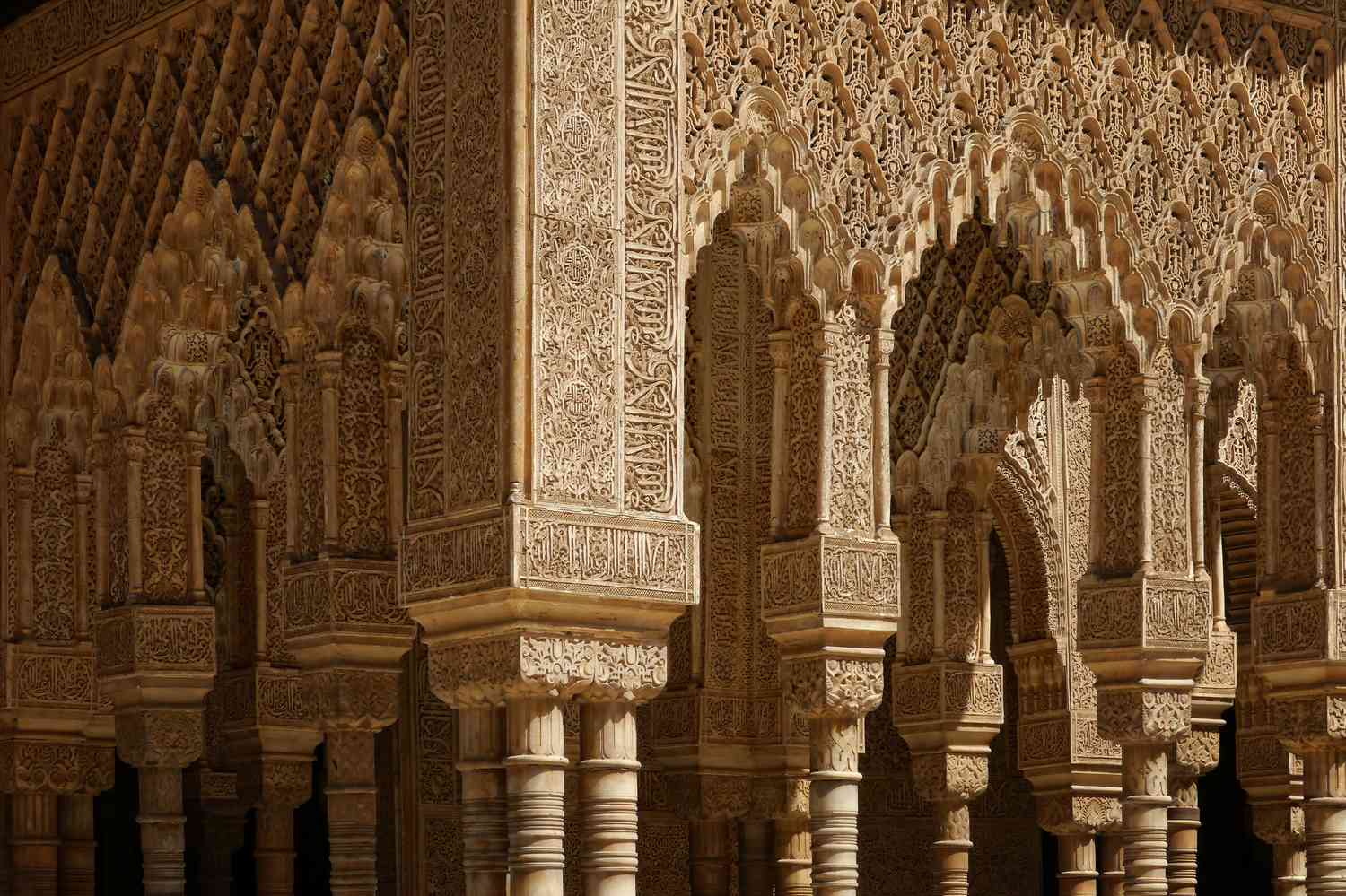
Al-Andalus refers to the territory in the Iberian Peninsula (modern-day Spain and Portugal) under Moorish rule. It was not merely a kingdom, but a civilizational beacon that illuminated the world during Europe's Dark Ages.
It was a society where science, medicine, philosophy, and art flourished. The Moors introduced street lighting, advanced irrigation, libraries with hundreds of thousands of volumes, and the very foundations of modern mathematics and astronomy.
Intellectual Hub
Preserved and expanded upon Greek and Roman knowledge, transmitting it to the rest of Europe.
Cultural Root
The "Unbroken Thread" connects our modern identity back to this pinnacle of Moorish sovereignty and excellence, reclaiming the legacy of OsuriAmin-Smith.
From Al-Andalus to the Americas
Trace the 500-year odyssey of the House of OsuriAmin across oceans and centuries.
Select a stage to explore the history.
1. Al-Andalus (Granada)
The Golden Age of Moorish Sovereignty.
2. The Morisco Exile (West Africa)
Displacement and the Atlantic Crossing.
3. First Arrival (San Miguel de Gualdape)
The First Settlement in North America.
4. Deep Roots (Pee Dee & Sandhills)
Ethnogenesis and Land Stewardship.
5. Modern Seat (Baltimore)
The Great Migration and Cultural Renaissance.
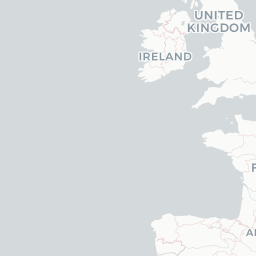

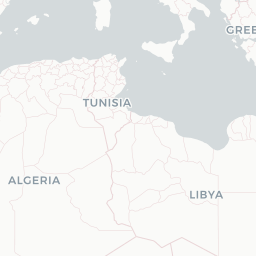


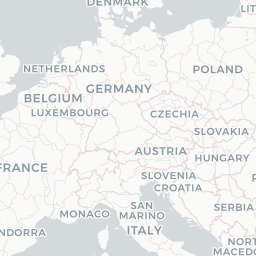



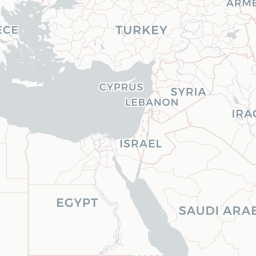


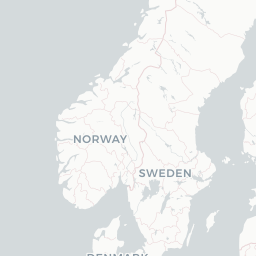
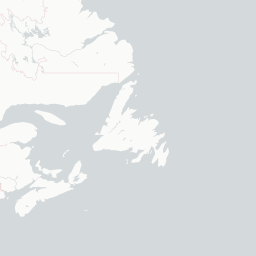
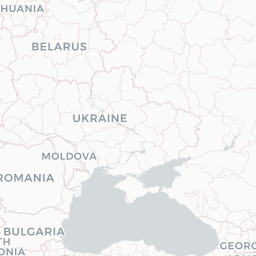





Al-Andalus (Granada)
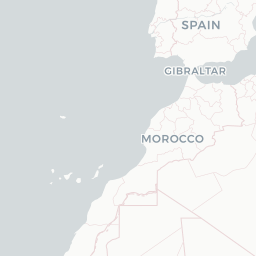
Our journey begins in the glorious civilization of Al-Andalus, where our ancestors ruled for nearly 800 years, cultivating science, art, and enlightenment in Europe.
The 13 Moon
Sovereign Calendar
To reclaim our sovereignty, we must reclaim our time. The Gregorian calendar is an artificial construct of taxation and war. The 13 Moon Calendar returns us to the natural rhythm of the cosmos.
13 Moons × 28 Days = 364 Days
This leaves one day—the "Day Out of Time"—a moment of pure freedom, forgiveness, and celebration before the new cycle begins. It is a harmonic standard that aligns our biology with the Earth's frequency.
Cyclical Time
Time is not a straight line (chronos) but a spiral (kairos). We revisit lessons until they are mastered.
Natural Rhythm
28 days matches the human biological cycle and the moon's orbit, restoring mental balance.
Questions from the Family
Reclaiming our identity is a journey, and it's natural to have questions. Here is the context behind our choices, our name, and our path forward.
Why This Matters
For generations, we were told our history began in chains. This project exists to prove that our story actually begins in sovereignty.
We are not erasing the past; we are expanding it to include the 500 years of resilience, land ownership, and culture that the history books left out.
Our Protection
Knowing who you are is a form of spiritual and legal protection. By defining ourselves as "OsuriAmin," we step out of the generic label of "minority" and into the specific status of a Sovereign Family.
Our Name & Nation
What is Soulaan?
"Soulaan" is not just a name—it is a declaration of who we are. It means "People of the Soul."
The Meaning
The word combines the English word "Soul" with the suffix "-aan" (from Arabic/Moorish roots meaning "people of"). It signifies a people defined by their spiritual depth and resilience.
The Culture
To be Soulaan is to live by our own values. We have our own language (Sutewa), our own time (13-Moon Calendar), and our own sovereign principles.
The Nation
Soulaan is a sovereign identity. It transcends colonial labels like "Black" or "African American." It connects us to our Aboriginal Moor roots while affirming our indigenous status in the Americas.
Symbols of Our Heritage
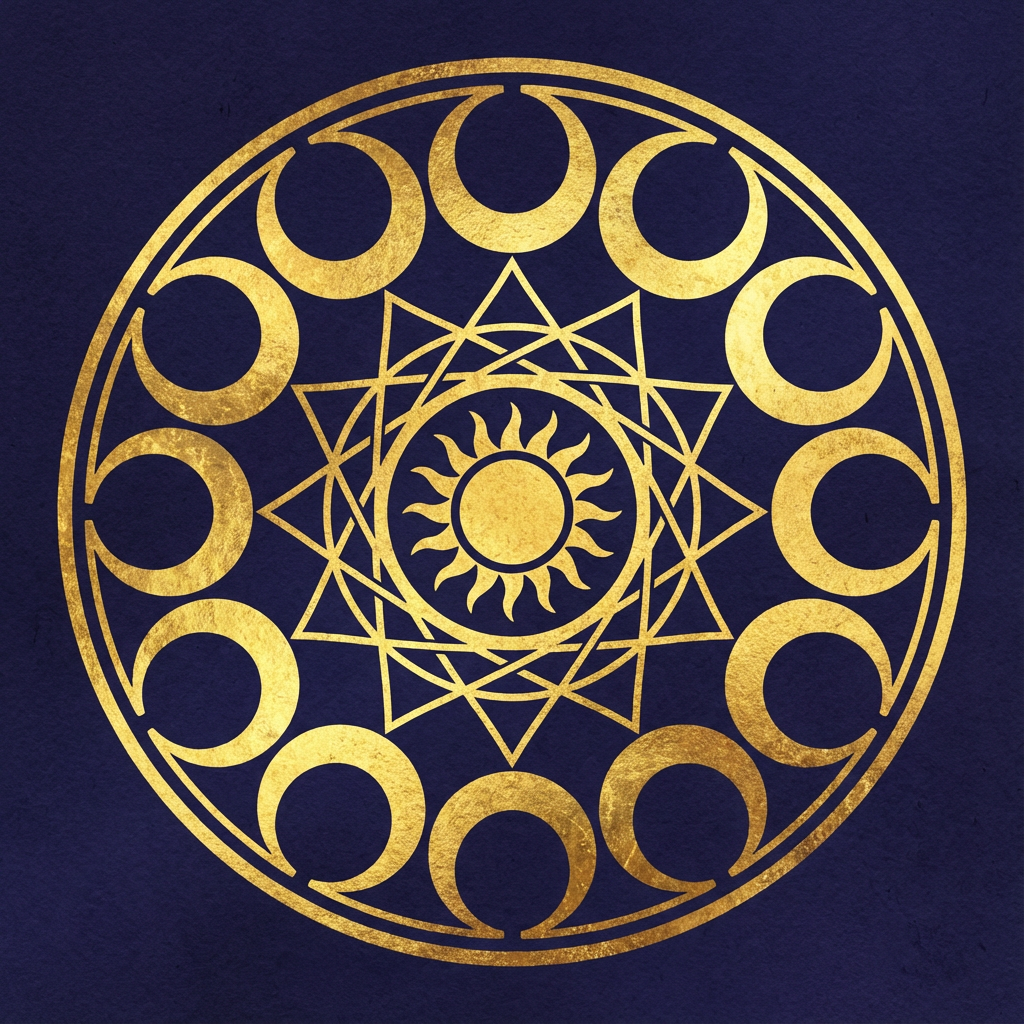
The 13-Moon Calendar
Our ancestral timekeeping system, aligning our lives with the natural cycles of the moon rather than the artificial colonial clock.
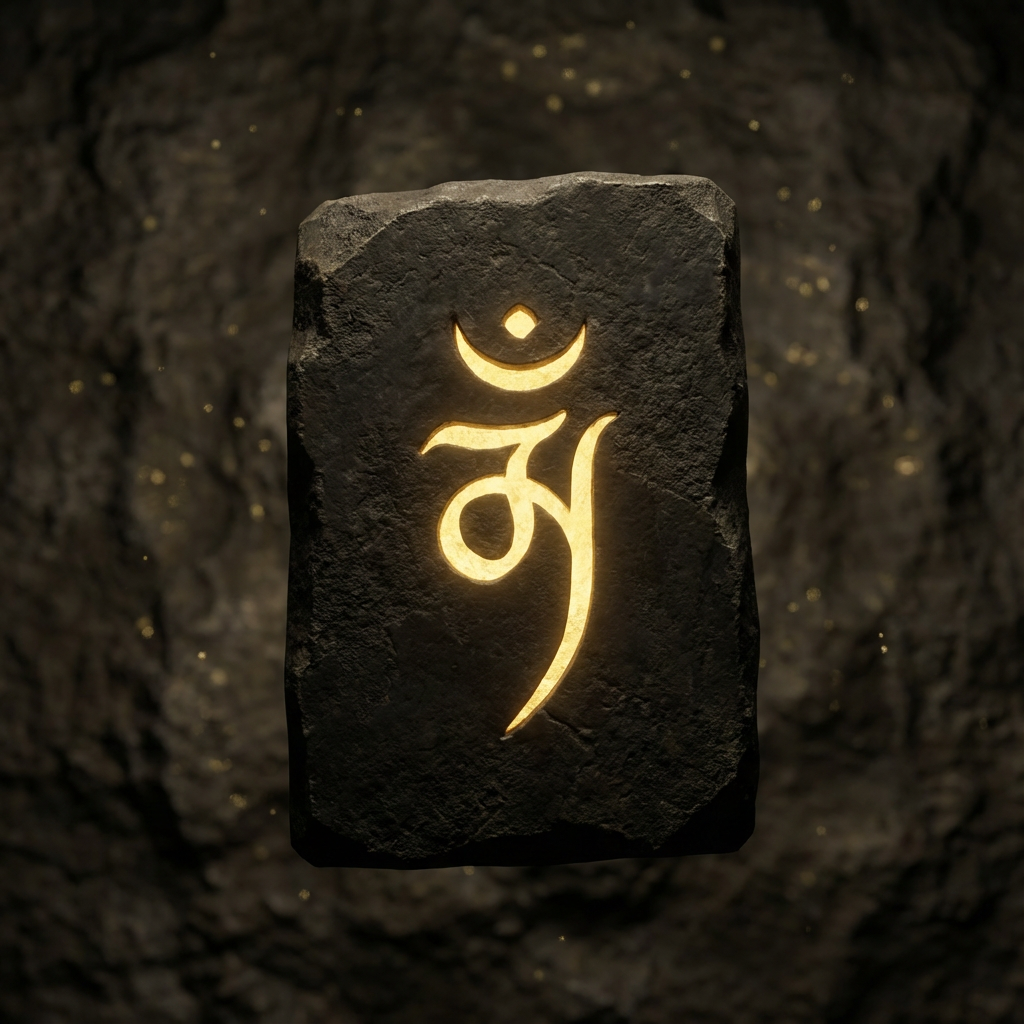
The Sutewa Script
The written form of our language, carved in stone and spirit, preserving the wisdom of the OsuriAmin lineage.
The Sovereign Crown
The symbol of the House of OsuriAmin representing our unbroken sovereignty and 500-year legacy in the Americas.
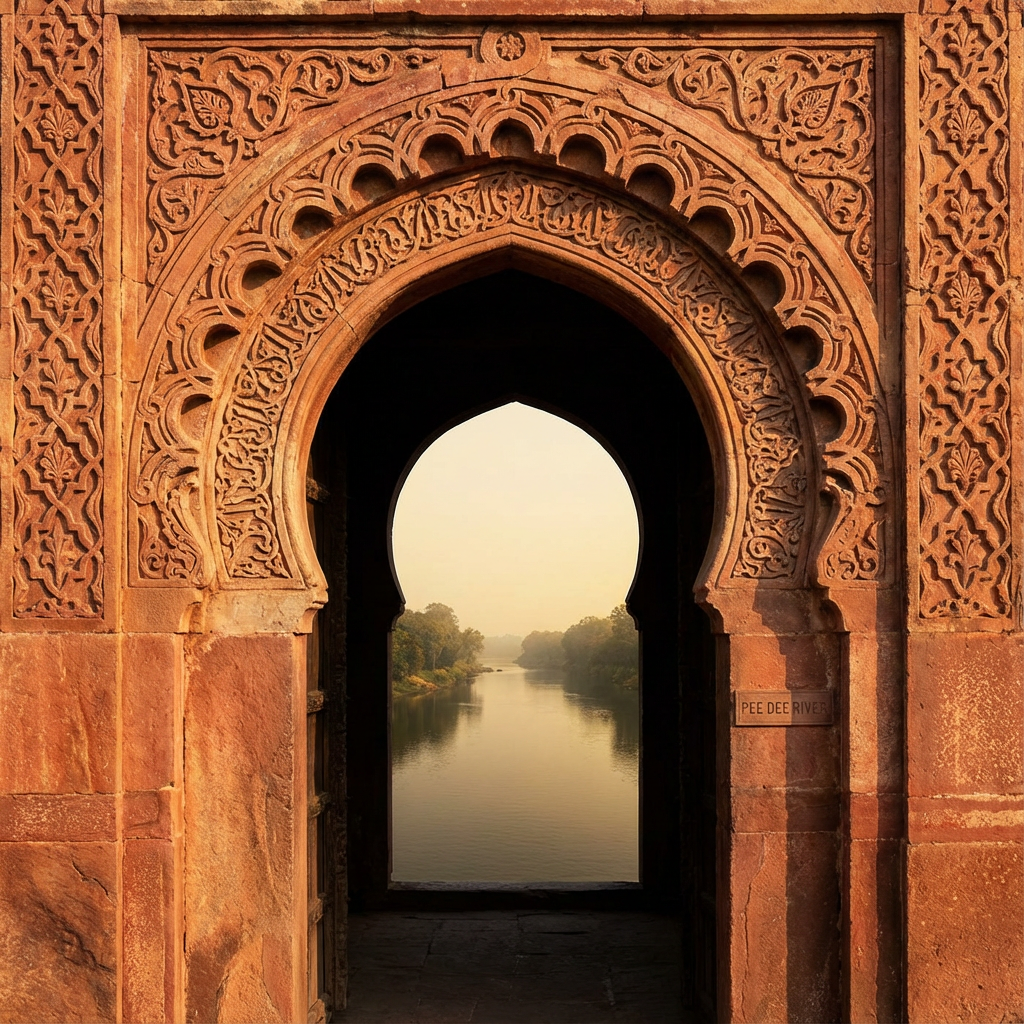
Our Identity
We Are Aboriginal Moors
"Aboriginal" means we are the original people of this land. We have been in America for over 500 years. That's longer than the United States has existed.
"Moors" refers to our ancestors from Al-Andalus (Moorish Spain). Specifically, we descend from the Moriscos—Moors who were forced to convert to Christianity but secretly kept their culture and identity alive. When expelled after 1492, these Moriscos fled to West Africa and later traveled to the Americas, carrying our heritage into exile.
"We are not 'Africans who were brought here as slaves.' We are a people who came here before the slave trade even started in the Carolinas."
Our Roots
The Family Tree
Education
The Knowledge Vault
Deep details for the next generation. Here is the evidence, the history, and the answers you need to stand tall in your identity.
The Evidence Locker
- •DNA Proof: Our 22.75% Moorish/Islamic genetic markers prove we come from the pre-1492 diaspora, not just the later slave trade.
- •1526 Records: Historical logs from San Miguel de Gualdape confirm Africans were in SC 144 years before the English arrived.
- •Census Data: 1790-1810 records show "Free Persons of Color" in our counties, proving we were not all enslaved.
Hidden History 101
- •The Moors: We ruled Spain for 700 years (711-1492), bringing science, medicine, and libraries to Europe.
- •Black Conquistadors: Men like Juan Garrido were explorers, not slaves. They walked these lands first.
- •The Pee Dee: Our ancestors formed independent communities along the Pee Dee River that the English had to respect.
The School FAQ: How to Answer
Q: "Where are you from?"
"My family has been in the Carolinas for 500 years. We are Aboriginal Moors—we were here before the United States was a country."
Q: "Are you African American?"
"I am Soulaan. My ancestors came from Africa, but we became indigenous to America over centuries. We have our own culture, language, and history."
The 500-Year Timeline
From Al-Andalus to Baltimore
Moorish Spain
Our story begins in Al-Andalus. For 700 years, our ancestors ruled parts of Spain, building a civilization of art, science, and tolerance.
The Exile & The Return
After the fall of Granada, our Morisco ancestors fled Spain to the Hausa Kingdoms of West Africa. But they didn't stay. They joined the earliest Spanish expeditions to the Americas, returning to the Atlantic world as explorers, not slaves.
San Miguel de Gualdape
Our ancestors arrived in present-day South Carolina as part of the first European settlement in North America. When the colony failed, the Africans rebelled and vanished into the interior, integrating with the Guale and other indigenous tribes to form the first free communities—144 years before the English arrived.
The Spanish Expeditions
The De Soto (1540) and Pardo (1566) expeditions marched through our ancestral lands in the Carolinas. Historical records confirm the presence of 'Black Conquistadors' and Moors who stayed behind, further establishing our lineage in the interior long before the English slave trade began.
'Black Indians of the Pee Dee'
When the English finally settled Charles Town in 1670, they encountered established communities of 'Black Indians' in the Pee Dee River region. This was us. We maintained our autonomy and culture in Darlington and Hartsville, distinct from the plantation system expanding around us.
Baltimore
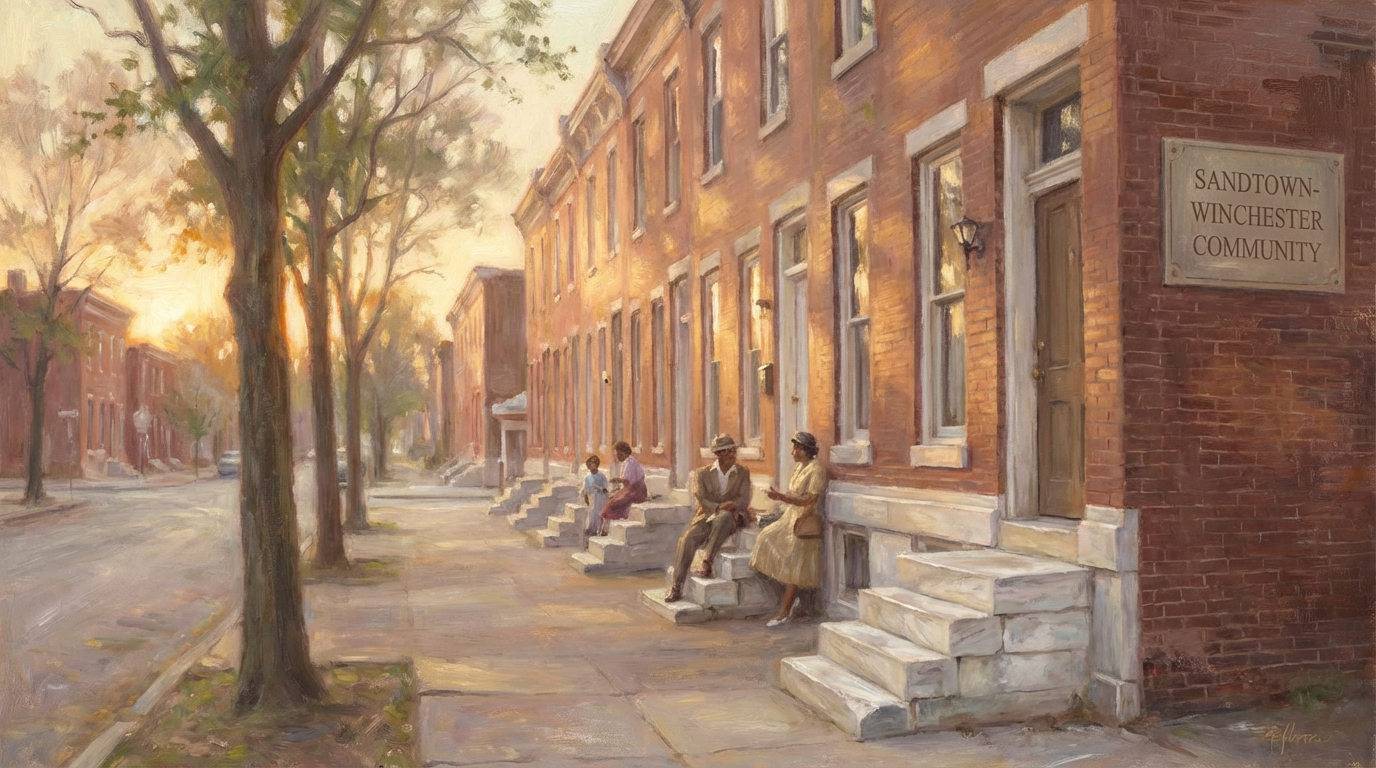
The Great Migration brought us to Sandtown-Winchester, our modern urban tribal homeland, where we continue to build our legacy.
Our Land
We Have Always Been Here
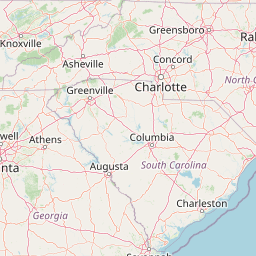
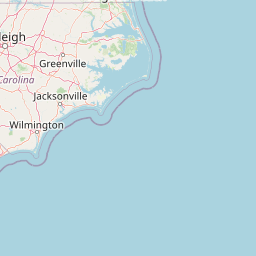
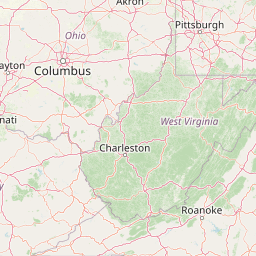
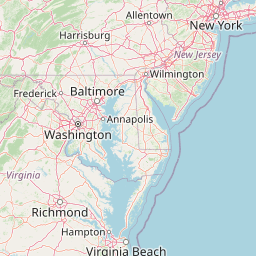
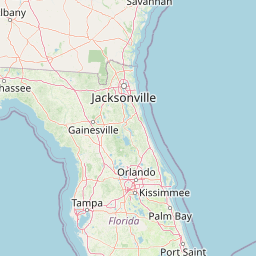
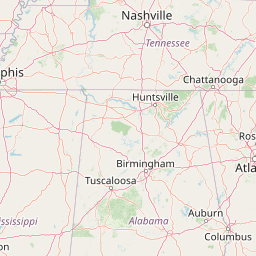
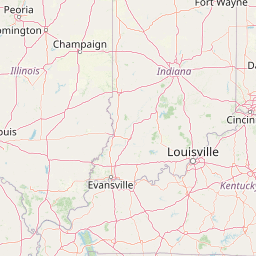
Explore the map to see the proof of our 500-year presence in the Carolinas, from the 1526 settlement of San Miguel de Gualdape to our modern roots in Baltimore.
Tracing 500 years of continuous presence from the SC coast to Baltimore.
Saponi Territory (NC/VA Border)
Pre-ColonialAncestral lands of the Saponi people along the Roanoke River tributaries. A region of rolling hills and river crossings where our indigenous roots run deep.
Catawba Territory (SC/NC)
Pre-ColonialThe Catawba River Basin, an early corridor of Afro-Indigenous interaction in the Piedmont floodplains.
Cheraw (Sara) Territory
Pre-ColonialAncestral home in the Upper Pee Dee River basin (Hartsville/Darlington region). The foundation of our connection to the land.
Tuscarora Migration Zone
Pre-ColonialCoastal Carolina woodlands along the Neuse River, a vital corridor linking into the Iroquoian linguistic region.
Charleston County, SC (Lowcountry)
1700sPrimary entry zone for Igbo ancestors. The rice coast wetlands and Ashley/Cooper rivers mark the beginning of our American journey.
Dorchester County, SC
1700sEdisto River Basin and Four Holes Swamp. A region of pine forest plateaus where our ancestors adapted and thrived.
Darlington County, SC (Pee Dee)
1800sThe heart of the Smith and Mason lines in the Upper Pee Dee River system. Documented "Free Persons of Color" in the rolling Sandhills.
Scotland County, NC (Sandhills)
1800sPart of the Lumbee corridor with sandy loam soils and pine forests. Home to the Lumber River and Drowning Creek settlements.
Chatham County, NC (Piedmont)
1800sPiedmont transition zone defined by the Haw and Rocky Rivers. A hilly landscape where our family established deep roots.
Duplin County, NC (Coastal Plain)
1800sCoastal plains feeding into Atlantic wetlands. Key waterways include the Northeast Cape Fear River.
Warren County, NC (Northern Piedmont)
1700sA historic hub bordering VA migration routes. Mixed forest and farmland in the Roanoke River Basin.
Moore County, NC (Sandhills)
1700s-1800sDeep roots in the Sandhills region. Our family cultivated this land long before the Civil War, establishing a lasting legacy.
Brunswick County, VA
1700sSouthside VA forested Piedmont. Rivers like the Meherrin and Nottoway linked our ancestors to NC migration paths.
Isle of Wight County, VA
1600s-1700sTidewater region with coastal plains and estuarine river systems (James and Blackwater Rivers). Early site of free Afro-Indigenous presence.
Baltimore, MD (Sandtown–Winchester)
1900s-PresentThe modern cultural seat of the House of OsuriAmin. From the Great Migration to today, this is our spiritual and artistic homeland.


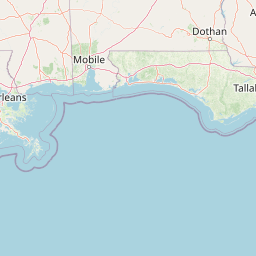

Indigenous to the Soil
Unlike the "Slave Trade" narrative which starts in 1619 Virginia, our map shows presence in the Carolinas starting in 1526—nearly a century earlier.
Our Sacred Soil
The Ancestral Lands of Darlington, SC
This land is not just property; it is the physical evidence of our continuity. These aerial views capture our sovereign soil at Black Creek Rd and Jimmy Ln in Darlington, South Carolina—the heart of our family's legacy and the foundation of our Amorocco.
A Living Legacy
These aerial views capture the expanse of our family's holdings along Black Creek Rd and Jimmy Ln in Darlington, SC. This land has sustained generations of the House of OsuriAmin, providing not just shelter and sustenance, but a sovereign space where our culture could flourish away from the colonial gaze.
Every acre represents a triumph of survival and a commitment to the future. It is here that the concept of Amorocco—our indigenous sovereignty—is physically manifested.
From America to Amorocco
We are not merely citizens of a country; we are stewards of a continent. Understanding our true geography is the first step to reclaiming our sovereignty.
What is Amorocco?
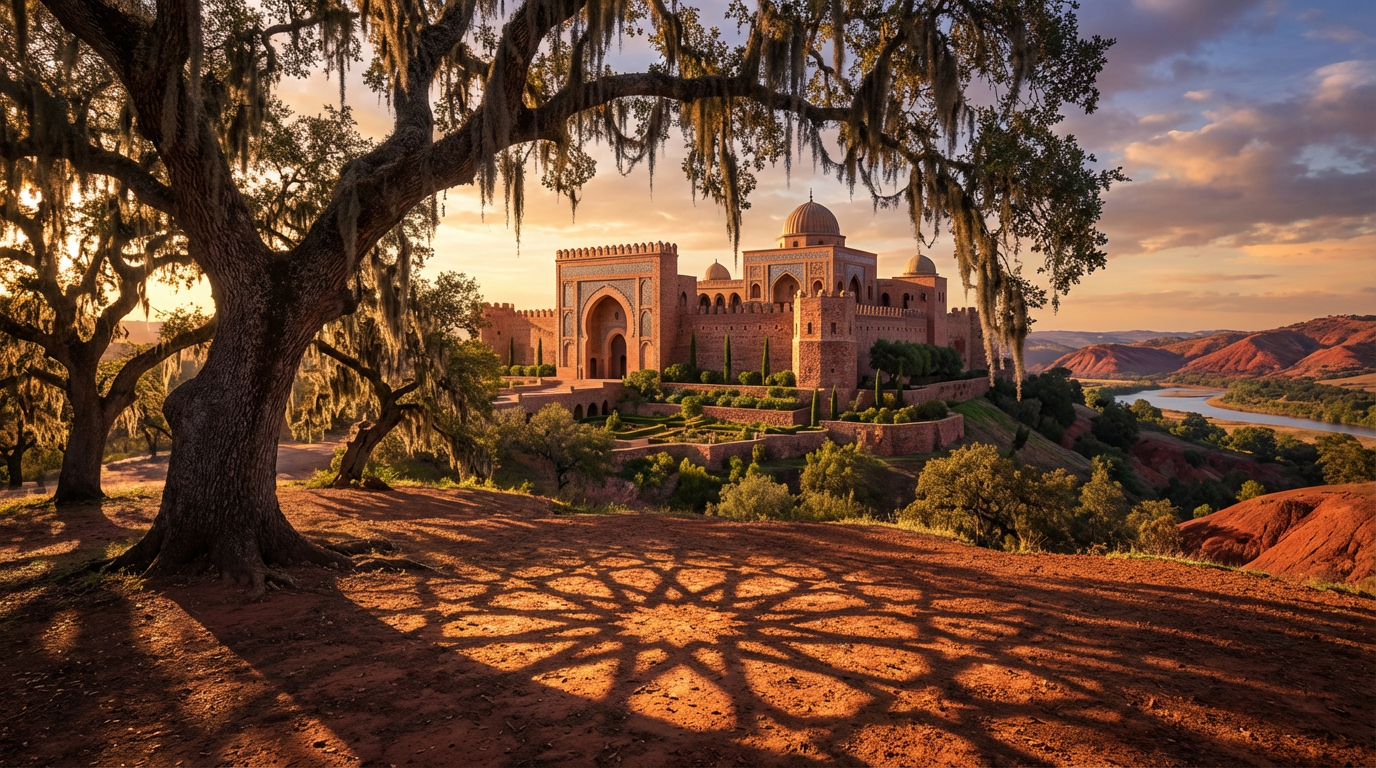
Amorocco is the ancestral, pre-colonial name for the landmass commonly known as North America. It signifies the "Land of the Moors" (Al-Morocco) in the West.
Note: We are proudly Soulaan—part of the broader Autochthonous American people. However, the names Osutewa/Sutewa and OsuriAmin are specific to our personal House. They are the unique spiritual and genealogical titles of our own family lineage within the Soulaan nation.
By using this term, we reject the colonial boundaries that define us as "minorities" in a European nation. Instead, we affirm our status as Autochthonous Amerrukans—people who sprang from this soil and have been here since time immemorial.
"The inclusion of the double 'a' in Soulaan refers specifically to 'Autochthonous Amerrukans,' highlighting the autochthon origin of this group on the North American (Amorocco) continent."
Auto-genesis vs. Ethno-genesis
Most groups undergo Ethno-genesis—a process of becoming a people through mixing or migration. Soulaan identity is different.
We represent an Auto-genesis: a people who are self-generated from the land itself. We are not an "offshoot" of Africa, nor are we simply "mixed." We are a distinct biological and cultural creation of this continent.
- Not Immigrants: Unlike recent arrivals, our lineage is tied to the Mound Builders and the Pre-Colonial peoples of this land.
- Sovereign Origin: We did not "become" Soulaan through slavery; slavery was an interruption in our sovereign history, not the start of it.
Common Questions
Understanding Our Truth
Knowing who you are gives you power. Here are the answers to the questions our family asks most often.